Top Things to See and Do in South Africa: Safari, Coast, and Everything Between
South Africa combines world-class safari, extraordinary coastal scenery, and some of the most significant history in Africa. Here's how travelers can make the most of a trip.
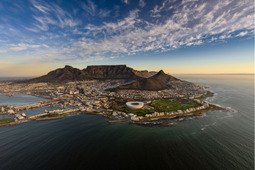
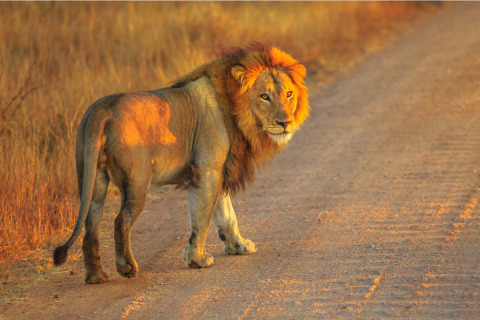
South Africa is three countries wearing one passport. There's the wildlife country - the Kruger ecosystem, the bushveld, the game reserves where you're sitting twelve feet from a lion at dawn. There's the coastal country - Cape Town with Table Mountain rising 3,500 feet from the Atlantic, the penguin colonies at Boulder Beach, the wine valleys thirty minutes inland. And there's the historical country - Soweto, Robben Island, the Apartheid Museum - which gives the entire trip a weight and context that wildlife alone just won’t provide. The things to do in South Africa that make the strongest case for the trip are spread across all three, and the travelers who try to compress everything into a week come back knowing they need to return. This guide is for visitors planning a first or second trip who want to understand which version of South Africa they're visiting and how to build around it.
Safari: Kruger, Private Reserves, and the Big Five
A Kruger National Park safari is the most accessible major wildlife experience available to American travelers - a self-drive trip in a rental car through the park's network of roads, stopping at waterholes and scanning the bush for the big five (lion, leopard, elephant, rhino, buffalo). Kruger is larger than New Jersey, and doing it properly requires a minimum of 3-4 nights at rest camps inside the park. Here's the honest comparison:
Private game reserves bordering Kruger - Sabi Sands, Thornybush, Klaserie - operate in unfenced terrain continuous with the park. Their off-road capability and tracking expertise produce dramatically higher sighting rates, particularly for leopards and wild dogs. The price premium is there, but mid-range camps at $400-$600/night are now available that offer the open-vehicle experience without that ultra-luxury price tag.
Cape Town Travel Guide - The World's Most Scenic City
A Cape Town travel guide for American visitors starts with honest orientation. The city has one of the most spectacular natural settings on earth and a considerable safety differential between tourist areas and townships that requires awareness. Table Mountain, Victoria & Alfred Waterfront, Camps Bay beach, and the Bo-Kaap neighborhood's colorful houses are all accessible and safe for standard tourist movement. Table Mountain's Aerial Cableway ($30 USD round trip) is weather-dependent - the mountain clouds over frequently; book on the most cloudless morning of your trip rather than in advance. The Cape of Good Hope, at the southwestern tip of the African continent, is a full-day excursion via the Cape Peninsula - the road through Chapman's Peak is among the most dramatic coastal drives in the world. Boulders Beach near Simon's Town, a 45-minute drive from Cape Town, has a thriving African penguin colony where the birds walk freely among visitors on the beach - it's truly one of the most surprising wildlife experiences in the country.
South Africa Winelands and the Garden Route
The South Africa winelands are 30-45 minutes from Cape Town by car and produce world-class wines that are almost entirely underexposed in global wine culture. Stellenbosch is the hub - a university town surrounded by historic wine estates with a food culture that matches the wine. Franschhoek (French Corner) was settled by Huguenot refugees in 1688 and has maintained a French-inflected culinary identity for 300 years; its restaurant scene is the strongest in the Cape winelands and rivals anything in Cape Town itself. Chenin Blanc (locally called Steen) and Pinotage (a South African grape crossing) are the varieties worth seeking out on every cellar door visit. The Garden Route, the coastal strip between Mossel Bay and Storms River, is a 4-5 day drive combining dramatic cliff scenery, ancient forests (Tsitsikamma National Park), and whale-watching (Hermanus, June-December) into one of Africa's most rewarding road trip routes.
History and Culture - Soweto and Robben Island
The history of South Africa's apartheid era is inseparable from the country's contemporary identity, and the two most significant sites for American visitors reflect different dimensions of that history. Robben Island, the island prison in Table Bay where Nelson Mandela spent 18 years, is accessible by ferry from the V&A Waterfront and guided by former political prisoners. The tour is sobering yet essential - the walk through Mandela's actual cell, the limestone quarry where prisoners worked, the B-Section that housed political prisoners - and it takes about 3.5 hours. Soweto is not a museum. It's a city of 1.3 million people with the highest density of significant sites in South Africa: the Hector Pieterson Museum (commemorating the 1976 student uprising), Nelson Mandela's former house, the Apartheid Museum, and a neighborhood restaurant and bar culture on Vilakazi Street that is alive, contemporary, and well worth an evening. The combination of these two sites provides context for everything else you experience in South Africa.
South Africa Travel Tips and Practical Logistics
South Africa travel tips cover the range of practical adjustments a first-time visitor needs. Drive on the left - this is the most disorienting adjustment for the first day in a rental car; the road infrastructure is generally excellent outside major urban areas. The ZAR (South African Rand) is the currency - the exchange rate has historically favored the U.S. dollar significantly, making South Africa considerably cheaper per day than Europe for accommodation and food. In terms of safety, tourist areas in Cape Town and safari zones are well-managed; standard urban precautions apply in Johannesburg and within city boundaries everywhere. The best time to visit South Africa depends on your priority: May-September (dry season) is peak safari season with the best wildlife viewing; October-April (wet season) is better for the winelands, garden route, and Cape Town weather. A 14-day trip comfortably covers Kruger (4 nights), Cape Town (4 nights), Winelands (2 nights), and Garden Route (2-3 nights) with a Johannesburg transfer.
Conclusion
The things to do in South Africa that make it one of the world's greatest travel destinations aren't confined to one experience type - the country's range is the point. You should look up Kruger self-drive camp availability through SANParks for your target dates - camps book out months in advance in peak season. Check the private reserve mid-range options bordering Kruger (Klaserie, Thornybush) for a comparison against self-drive costs - the per-night difference is often smaller than expected. These South Africa travel tips consistently lead to the same conclusion: allocate at least 12-14 days, book early, and don't skip Soweto.
Useful Links:
South African National Parks (SANParks) - Kruger Accommodation - https://www.sanparks.org/parks/kruger/
Table Mountain Aerial Cableway - Tickets and Conditions - https://www.tablemountain.net
Robben Island Museum - Ferry and Tour Info - https://www.robben-island.org.za