Top Things to See and Do in Australia
How to Make the Long Trip Worth It
Introduction
Australia is 4,700 miles from Los Angeles. That's a 15 hour flight, a 16 hour time difference from the East Coast, and one of the most expensive long haul destinations available to American travelers. That's not a reason not to go. It's a reason to go with a plan that makes the investment worthwhile. The things to do in Australia that justify the trip aren't concentrated in one city or one region - they're spread across a continent roughly the size of the contiguous United States, with landscapes and ecosystems that range from tropical reef to red rock desert to temperate rainforest. This guide is for foreign travelers who want to understand what Australia actually is before they book, and for those who've been and want to find what they didn't see the first time. If you're planning a trip of 7 days or less, this guide will also gently suggest that more time would serve you significantly better.
Sydney and New South Wales - The Iconic Entry Point
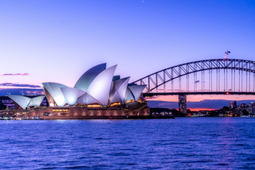
A Sydney travel guide for foreigners starts with one honest note. Sydney's harbor is one of the most spectacular natural and built environments in the world. The Opera House, the Harbour Bridge (which you can climb for ~AUD $270, or admire for free from Circular Quay), and the ferry system that connects the harbor's neighborhoods are extraordinary. Bondi Beach is worth the 20 minute bus ride from the city center, and the coastal walk from Bondi to Coogee is one of the best free urban walks in any coastal city. Beyond Sydney, the Blue Mountains, 90 minutes west of the city by train, are an ancient sandstone plateau with the Three Sisters rock formation, eucalyptus forests, and dramatic valley views. The Hunter Valley wine region is 2 hours north. New South Wales alone could absorb two weeks of travel alone without repetition.
The Great Barrier Reef
Great Barrier Reef travel is the single experience that brings more foreign visitors to Australia than any other. The reef remains extraordinary, it's the world's largest living structure, stretching 1,400 miles along Queensland's coast, and healthy sections still deliver some of the most extraordinary snorkeling and diving on earth. The honest context however, is that the reef has experienced significant coral bleaching events since 2016, affecting portions of the reef in ways that have changed the experience in some areas. The sections accessible from Port Douglas, north of Cairns, have in several surveys shown better coral health than those accessible directly from Cairns. Liveaboard dive trips that reach the outer reef and Coral Sea offer access to the least affected sections. The reef is worth visiting, but checking current reef health reports from the Great Barrier Reef Marine Park Authority before booking a specific tour operator or site is now a meaningful part of trip planning that never used to be necessary before.https://www.gbrmpa.gov.au/our-work/reef-strategies/reef-health
Melbourne and Victoria, Australia's Culture Capital
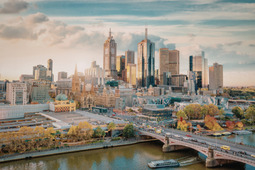
The Melbourne vs. Sydney debate has a clear answer for a specific type of traveler. If you care more about food, coffee, art, and neighborhood culture than harbor views and beaches, Melbourne is the better city, and Australians know this, Melbourne has ranked as the world's most livable city multiple times in the Economist Intelligence Unit's annual index. The city's coffee culture is hardcore; Melbourne's lane way cafe scene exports coffee standards that have influenced café culture in New York and London. The Queen Victoria Market, the laneway art scene of Hosier Lane, the Royal Botanic Gardens, and Federation Square are all within walking distance of the city center and collectively more interesting than a comparable afternoon in central Sydney. Past Melbourne, the Great Ocean Road, a 151 mile coastal drive along Victoria's southern coast, is one of the most dramatic ocean drives in the world - the Twelve Apostles limestone stacks rising from the Southern Ocean are among Australia's most iconic images.
The Parts of Australia Foreigners Never See
Western Australia is the part of Australia that foreigners almost never visit and consistently describe as one of the best travel decisions they've ever made when they do. The Kimberley region in the state's far north is a landscape of red sandstone gorges, ancient rock art, and wilderness that has no equivalent elsewhere - it is genuinely one of the most extraordinary landscapes on earth and receives a fraction of the visitors that Uluru or the Great Barrier Reef do. Ningaloo Reef, off the West Australian coast near Exmouth, is in better overall coral health than much of the Great Barrier Reef and offers the chance to swim with whale sharks (the world's largest fish) from March through July. Margaret River, 3 hours south of Perth, is one of the world's best wine regions, Cabernet Sauvignon and Chardonnay at world class quality, cheese producers, and a culinary scene that draws visitors from across Australia. Perth itself is a modern, livable city with great beaches and some of the best weather in Australia - warm and dry all year round.
Australia Travel for Foreigners
Traveling to Australia requires one pre-departure step that many miss. The Electronic Travel Authority (ETA), which must be applied for online before departure https://immi.homeaffairs.gov.au/visas/getting-a-visa/visa-listing/electronic-travel-authority-601. The fee is AUD $20 (approximately $14 USD) and approval is typically immediate via the Australian ETA app. Here's how the regions compare for trip planning:
For a 3 week trip, the minimum to do justice to two distinct regions is to fly into Sydney (5 days), fly to Cairns for the reef (4 days), fly to Melbourne (4 days), and consider adding Perth/WA on a subsequent trip. Budget at least $250-$350 AUD per day for accommodation, food, and activities outside of flights - Australia is expensive in absolute terms, but the quality and variety of what you get tends to justify the costs.
Conclusion
The things to do in Australia that stay with you, such as a morning snorkeling at the outer reef, driving the Great Ocean Road with the windows down or eating your way through Melbourne's lane ways are worth the potentially long flight times. Start your planning by checking the Australian ETA app for the current application process and fee, it's a required pre-departure step for American passport holders and takes minutes online. Then compare flight prices from your nearest major hub to Sydney and/or Melbourne. You can sometimes save $300-$500 by flying into a different Australian city than the one you plan to start in. Then research Australia travel for Americans https://www.australia.com/en-us using the regional table above to match your available time and interests to a realistic itinerary. The most common planning mistake is underestimating how much time the country rewards and trying to compress too many regions into one trip. Take your time, it's worth it.
Related posts