Top Things to Do in London on a Budget
Introduction
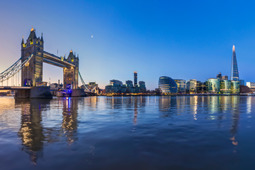
London is one of the most expensive cities in the world to live in. But as a visitor, it has a feature that most foreign travelers don't know about until they arrive, that its greatest museums are entirely free. Not discounted, not subsidized with a suggested donation, free. The British Museum, the Natural History Museum, the National Gallery, the V&A, the Tate Modern and the Science Museum are all free, all the time, no ticket required. That changes the calculus of what a London trip costs and what it's worth. The things to do in London that deliver the most are not necessarily the ones that cost the most, and in several notable cases, the free version is genuinely better than the paid alternative. This guide is for American visitors who want to use their days in London intelligently, whether it be a first trip or a return visit that goes deeper than Westminster and the Tower.
Free Things to Do in London and the Museum Collection
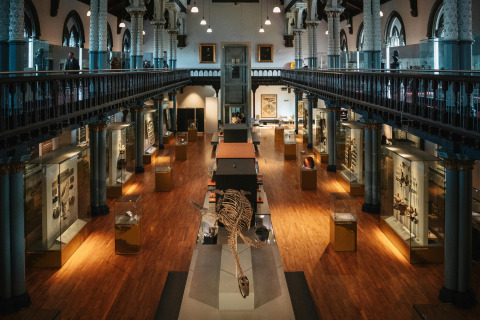
London's free museum policy https://www.britishmuseum.org/collection, which was introduced by the British government in 2001, created one of the most remarkable concentrations of free cultural content in the world. Free things to do in London start with the following institutions: the British Museum in Bloomsbury holds the Rosetta Stone, the Elgin Marbles, Egyptian mummies, and thousands of objects spanning 2 million years of human civilization. The Natural History Museum in South Kensington has a blue whale skeleton, an entire dinosaur wing, and a gem and mineral collection that includes a piece of moon rock. The National Gallery on Trafalgar Square holds over 2,300 paintings including van Goghs, Rembrandts, and Turners. The Tate Modern on the South Bank is one of the world's best modern art museums, housed in a converted power station with a free 10th floor viewing platform that overlooks St. Paul's Cathedral and the Thames. You could spend 3 full days in London's free museums and never cover the same ground twice.
Paid London Attractions - Which Are Worth It?
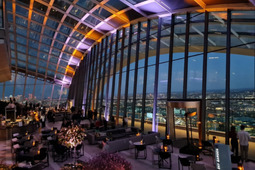
Is the London Eye worth it? Honestly, for most visitors, no. The pods are glass-enclosed and the Thames views are impressive, but the £35+ per person cost and the 30 minute queue produce a middling 20 minute rotation. The Sky Garden at 20 Fenchurch Street (booking required online, free) offers panoramic city views from a lush garden atrium at no cost. The Tate Modern's 10th floor Switch House viewing platform is free with museum entry and gives a better view of the cathedral skyline. If you do want to ride the London Eye purely for the experience itself, go at night. The city lights make it more worthwhile.
Best London Neighborhoods for Tourists
The best London neighborhoods for tourists who want to understand the city beyond its monuments are scattered across multiple boroughs. Shoreditch and Brick Lane in East London contain some of the best street art, vintage markets and curry houses that have been on the same street for 40 years, and the creative culture that regenerated the whole area from the 1990s onward. Notting Hill in West London, the market at Portobello Road (open Saturday) is excellent, with antiques, vintage clothing, and fresh food stalls in a neighborhood of cream-painted Georgian townhouses. Borough Market near London Bridge has been trading since at least the year 1014 and is one of the world's oldest food markets, not a pop-up, and it's free things to do in London if you're browsing rather than eating. Hampstead in North London has the Heath, 790 acres of open parkland with hilltop views over the city and the village feel of a small English town within Zone 2 of the Tube. Greenwich in Southeast London has the Royal Observatory, the Cutty Sark, and the Prime Meridian line (free to stand on outside the observatory), all within a 20 minute DLR ride from the City.
Food, Pubs, and Markets - How to Eat in London
London's food scene in 2026 is extraordinary and extremely diverse - the city has some of the world's best Indian, Japanese, Nigerian, and Middle Eastern cooking alongside its traditional British options. Borough Market, Maltby Street Market (smaller, less crowded, open weekends), and Mercato Mayfair are the best food market options for lunch and mid-afternoon eating. For traditional pub culture that isn't staged for tourists, look for pubs without large outdoor branded signage, avoid anything directly adjacent to a major tourist attraction, and favor the ones with a higher proportion of locals at the bar. A proper Sunday roast, with roast beef or lamb, Yorkshire pudding, roast potatoes, and gravy is one of the most enjoyable meals in England and costs £15-£25 at a decent pub. Dishoom, a Bombay-style cafe chain, has multiple London locations and is consistently one of the most enjoyable restaurant experiences in the city for first time visitors, serving a full breakfast for around £15, and dinner from £20-£30.
London Travel Tips for Americans
London travel tips for Americans start with the Tube (the Underground https://tfl.gov.uk/fares, which Americans would call the subway). Use contactless payment by tapping your credit or debit card directly on the card reader at the turnstile, just as you would with an Oyster card. Transport for London's fare structure caps daily and weekly spending automatically when using contactless, making it the most cost effective way for short term visitors to travel. A Zone 1-2 single journey costs approximately £2.80 (around $3.70); a day cap for Zone 1-2 is around £9.10 ($12.00). Taxis (black cabs) are honest and metered but expensive, and rideshares such as Uber, Bolt are cheaper for most journeys. Most of central London is walkable between neighborhoods if you have a good map app and comfortable shoes - the Tube makes the city feel much bigger than it is. For how long you’ll need, 4 nights will give you enough time for the top free museums, 2 neighborhoods, and the South Bank walk. 7 nights will let you add Greenwich, a day trip to Oxford or Cambridge, and a deeper dive into the food scene.
Conclusion
The things to do in London that deliver the most aren't always the most expensive, and in a city this rich with free content https://www.visitlondon.com, building your days around the museums before adding paid attractions is the smarter way to do it. Try starting with the Sky Garden for the day you're planning to be in the City - it's free but requires advance reservation online and fills up quickly. Then look up the British Museum's current special exhibitions alongside its permanent collection highlights so you know which rooms to prioritize during your visit. These London travel tips for foreigners consistently point in the same direction, spend the money on the experiences that have no free equivalent (such as the Tower and the Churchill War Rooms), use your feet and the Tube to cover the neighborhoods, and let the free museum collection be the backbone of the trip. This approach produces one of the best city travel experiences available worldwide.
Related posts