Top Things to See and Do in Jamaica - What's Beyond the All-Inclusive?
Jamaica has some of the Caribbean's most distinctive culture, food, and landscape - most of it invisible from a resort. Here's how to experience the island that exists beyond the wristband.
As a first-time visitor to Jamaica, you’ll probably consider spending seven nights at a lovely Montego Bay all-inclusive. You’ll have a good time. The beach is beautiful, the pool bar is fine, the jerk chicken at the resort buffet is a reasonable approximation. But the problem is that you’ll Jamaica having only experienced roughly 10% of what the island can offer you. Jamaica is one of the most culturally distinctive destinations in the Western Hemisphere and the best things to see and do are outside the resort gates. Take the jerk pits of Boston Bay that invented the very dish; the Blue Lagoon in Portland Parish where the water changes color as you float in it; the Blue Mountains where coffee is grown that sells for $60 a pound in Tokyo; and a music culture that has influenced global popular music more than any other island its size. This guide is for travelers who've done the resort and want to know what they missed, and for first-timers who want to approach the island at its true depth.
Jamaica Beyond the Resort - The Eastern Parish Secret
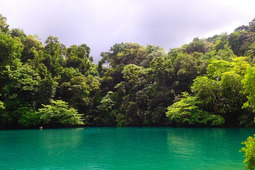
Jamaica beyond the resort is most powerfully experienced in Portland Parish, the northeastern corner of the island that is an hour from Montego Bay's hotels and largely unknown to the resort circuit. Port Antonio, Portland's main town, has a crumbling colonial elegance and a harbor that Errol Flynn discovered in the 1940s and made briefly famous. The Blue Lagoon - a natural pool connected to the sea where a cold freshwater spring meets the warm Caribbean, creating stratified temperature layers and color that shifts from teal to cobalt depending on depth and light - is one of the most beautiful natural water features in the whole Caribbean. Boston Bay, 20 minutes east of Port Antonio, is widely credited as the birthplace of jerk cooking - the technique of marinating meat in scotch bonnet peppers, allspice, and thyme and slow-smoking it over pimento wood. The jerk pits here are roadside operations with no menus and no prices displayed; you point at the pork or chicken, they weigh it, and you eat it at a picnic table with festival bread and coco bread, and smile.
Best Beaches and the Negril Experience
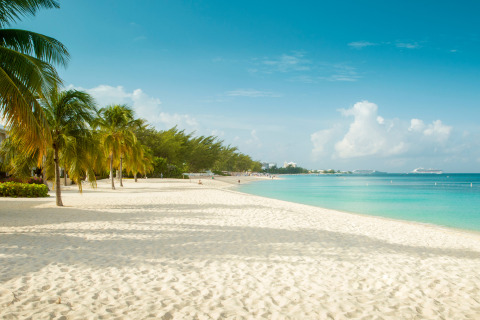
The best beaches Jamaica offers are on the western and northern coasts, with specific characteristic differences worth knowing. Seven Mile Beach in Negril is consistently ranked among the best in the Caribbean - a stretch of white sand with calm water and a cliff section at the southern end (Rick's Cafe, famous for cliff jumping at sunset) that has its own distinct social culture. Negril runs on Jamaican time in the most literal sense. The town is slower, cheaper, and less resort-focused than Montego Bay or Ocho Rios. Frenchman's Cove in Portland is a private beach that charges a small but worthy entrance fee and combines a freshwater river entering the sea with a sheltered white sand beach - it's one of the most quietly perfect beaches in the Caribbean. Treasure Beach in St. Elizabeth on the south coast is a fishing village that has developed low-key guesthouse tourism specifically for visitors who want the anti-resort Jamaica. There’s very few tourists, fresh fish, and a community that treats visitors as guests rather than customers.
Food and Culture
The Jamaican food and culture experience is inseparable from its African roots - the dishes (ackee and saltfish, curry goat, festival, bammy), the music (reggae, dancehall, bashment), and the Rastafarian philosophy all trace their deepest lineage to the enslaved and emancipated African communities that developed Jamaican culture independently of the colonial structures above them. Bob Marley's birthplace at Nine Mile in the hills of St. Ann parish is a 90-minute drive from Ocho Rios and operated by the Marley family - the guided tour through the community where he grew up, his mausoleum, and the meditation room he used for songwriting is among the most moving cultural experiences available in the Caribbean. The Blue Mountains Coffee estate tours (Old Tavern, Craighton Estate) combine a hike through the island's highest terrain with tastings of coffee that the Japanese pay $60 a pound for wholesale. At a Blue Mountains guesthouse, you can have a cup for just $4. To really understand the Jamaica food and culture landscape at table level means knowing what doesn't appear on resort menus. Ackee and saltfish (Jamaica's national dish) - the buttery yellow ackee fruit sautéed with salted cod, onion, and scotch bonnet - is something most resort kitchens produce adequately. The version at a Kingston cookshop on a Tuesday morning, served with boiled green banana and fried plantain, is something else entirely. The roadside jerk stands of Boston Bay have already been mentioned. To add to the list, Devon House in Kingston (the finest ice cream in Jamaica, served in a restored 19th-century great house, $3 a scoop), the patties at Tastee Patties chain (beef or chicken, flaky pastry, $1.50), and the fish fry at Hellshire Beach in Portmore - a beachside cluster of fish shacks where fried snapper and festival come with no ambiance budget and maximum flavor.
Jamaica Travel Tips for Foreigners and First Time Visitors
No visa is required for American passport holders visiting Jamaica, and the Jamaican dollar (JMD) trades at approximately 155:1 USD, making most local food and transport extremely inexpensive. Also, US dollars are widely accepted across tourist areas. Driving in Jamaica is on the left side of the road, with rental cars widely available, but you should note that the roads outside of main routes are very narrow and challenging; a driver-guide for day trips is a reasonable alternative at $100-$150 USD per day. The State Department maintains a travel advisory for Jamaica that identifies specific high-risk areas (primarily in parts of Kingston) - tourist zones and parish experiences described here fall outside those areas. As for flights, there’s nonstop service to Montego Bay (MBJ) from most major U.S. East Coast cities that takes 34 hours, and Kingston (KIN) has service for travelers based in the capital.
Conclusion
The best things to see and do in Jamaica that the vast majority of resort visitors never experience are widely accessible by rental car or driver-guide from any resort base, and they represent the island that actually produced the music, the food, and the cultural identity that made Jamaica globally distinctive. Be sure to visit Portland Parish and calculate the drive time - it's often under 90 minutes and contains the Blue Lagoon, Boston Bay jerk, and Frenchman's Cove. You should also research a driver-guide for a one day trip - the cost is $100-$150 and the difference between a resort day and a Portland Parish day is the difference between a vacation and a trip.
Useful Links
Bob Marley Museum - Nine Mile, St. Ann - https://www.bobmarley.com/nine-mile/
U.S. State Department - Jamaica Travel Advisory - https://travel.state.gov/content/travel/en/international-travel/International-Travel-Country-Information-Pages/Jamaica.html
Jamaica Tourist Board - Official Guide - https://www.visitjamaica.com