
How to Find Cheap Places to Stay When Travelling in 2026
Introduction
Imagine finding the perfect Airbnb listed at $50 a night, only to discover at checkout that the cleaning fee is $95 and the service fee adds another $40. Your "cheap" two-night stay just became $185. This happens constantly, and it's one reason experienced travelers don't just search for the lowest nightly rate when looking for cheap accommodation for travelers - they look at total cost, including every fee, for their exact stay length. This guide is for travelers who want a real comparison of accommodation types and a platform strategy that actually surfaces value. Whether you're a solo traveler stretched across a month in Europe on a tight daily budget, or a couple trying to find a good deal for a long weekend city trip, the framework here applies. Not every accommodation type suits every trip and understanding which one fits yours is where the savings actually live.
Hostels Are More Than Just Dorm Beds
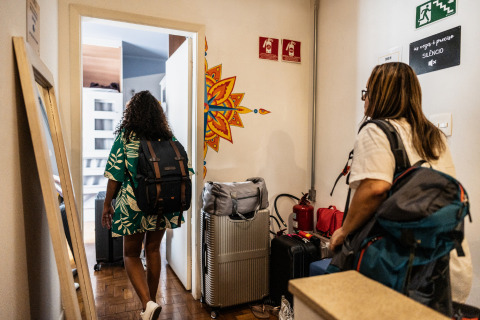
The reputation of hostels as cramped party dorms full of 20-year-olds is outdated, and it's costing older and more introverted travelers real money. In most of Europe, Southeast Asia, and Latin America, hostel dorm beds typically run $15-$40 per night, and private rooms in the same hostels typically cost $40-$75, which is often considerably less than a local budget hotel. When comparing hostels vs. hotels, the private/studio room option is frequently overlooked. You get your own room with a key, access to a shared kitchen that can cut food costs significantly, and often a better located property than what's available in the same price range from hotel booking sites. Safety in reputable hostels is generally well managed, look for properties rated 8/10+ on sites like https://www.hostelworld.com or https://www.booking.com and read recent reviews specifically about security and cleanliness, not just the atmosphere.
The Airbnb Fees Trap and How to Avoid It
Airbnb hidden fees are the single most common source of sticker shock in travel budgeting. The displayed nightly rate is almost never what you actually pay. Cleaning fees, which hosts set independently, can range from $20 to as high as $200 or more per stay regardless of how many nights you're booking. For a one or two night stay, these fees frequently push the per night cost above comparable hotel rates. The fix for this is straightforward; switch Airbnb's search display to "total price" view (available in the filter settings on both the app and website), which includes all fees in the per night display. Once you do this, many listings that initially appeared competitive will sort noticeably higher. Airbnb still wins for longer stays of 5 nights or more and for destinations where the hotel inventory is limited.
Comparing Your Options Before You Book
Here's a side-by-side look at how the main accommodation types compare for a solo traveler doing a 4 night international city trip:
Budget hotel booking on platforms like Booking.com or Hotels.com can surface flash sales and last-minute deals that undercut standard rates. For popular destinations, booking 2-4 weeks out usually hits the pricing sweet spot where it's far enough out to avoid surge pricing, yet close enough to avoid premium early booking rates on some inventory.
Free and Nearly Free Alternatives
House sitting travel is one of the most underutilised options available to flexible travelers. Sites like https://www.trustedhousesitters.com and HouseCarers match homeowners who need pet care or property oversight with travelers willing to stay for free in exchange for those responsibilities. Stays can range from a few days to several months, and the homes are often in locations you wouldn't otherwise be able to afford on a flexible travel budget. Couchsurfing, while less popular than it was a decade ago, still has an active community, particularly in Europe and parts of Asia. Work exchanges through platforms like Worldpackers or Workaway offer free or heavily discounted accommodation in exchange for a few hours of work per day at hostels, farms, guesthouses, or community projects. These options require more planning, but for travelers with time flexibility, they can eliminate accommodation costs almost entirely on extended trips.
Booking Platforms and Timing Strategy
No single platform has the best prices everywhere, and that's well worth considering . Booking.com has the widest global hotel inventory and often has smaller guesthouses and family run properties on offer that don't appear elsewhere. Hostelworld is purpose built for hostel search and allows you to filter by room type, neighborhood, and rating in ways that generic platforms will not. For cheap accommodation for travelers looking at apartment style stays, Vrbo (which shows the total pricing by default, unlike Airbnb) and Furnished Finder are worth adding to your comparison rotation. The simplest and most consistent tip however is to always check the property's direct website or call ahead after finding it on a booking platform. Hotels and guesthouses will often match or beat third-party prices for direct bookings, since they avoid platform commission.
Conclusion
You don't need to stay in the cheapest place on the list to travel affordably, you just need to pay the right price for the right accommodation type for your trip. Start with a site like Airbnb, switch the search display to total price view, and re-run your target destination search, the ranking will likely look very different than it did before. Then, compare the same dates on both Booking.com and a direct hotel search for your destination and check whether a hostel private/studio room in the same area undercuts the budget hotel options. Finally, if you're planning a trip of 5+ days, try to look up at least one house sitting or work exchange opportunity in your target destination, even if you don't pursue or necessarily need it, because knowing those options exist changes what you think travel costs. Budget hotel booking and hostel search don't have to be a race to the bottom. They're simply a matching problem.