Travel Gear You Actually Need and What You're Wasting Money On
Introduction
Most travel gear lists were written by people with affiliate links. While that's not inherently dishonest, it produces a very specific distortion, gear recommendations that favor new, expensive, and specialized items over the basics you probably already own. The travel gear essentials that actually matter are fewer than you think. This guide is for travelers planning standard trips (i.e. city exploration, beach destinations, cultural travel, backpacking through multiple countries) not expedition mountaineering or ultra-minimalist challenges. If you're buying gear for your first or second international trip, the goal here is to help you spend deliberately on the things that make a real difference, and skip the things that only look useful in a product photo.
Most importantly, The Bag
Everything else follows from the bag. The best travel backpack for most travelers is a 40-50 liter carry-on-compatible pack with a clamshell opening (opens flat like a suitcase, not just at the top) and a padded laptop sleeve. Osprey, Nomatic, and Peak Design make high quality options in the $100-$300 range and this is worth spending on because you'll use it on every trip for years. The clamshell opening matters more than most reviews emphasize, it lets you access everything without unpacking the whole bag, and it clears security screening faster than a top-loading bag. A wheeled carry-on is a reasonable alternative if cobblestones and rough terrain aren't part of your itinerary. The wrong choice is a 70+ liter pack that forces you to check it in. You'll pay more in fees and move less freely.
Clothing
The travel packing list for clothing is simpler than it looks. 3-4 versatile tops that work for day sightseeing and a casual dinner, 2 pairs of pants or shorts depending on climate, enough underwear for the length of your trip (merino wool or moisture-wicking synthetic dries overnight), and one layer for cold environments or air conditioned spaces. Shoes are the high-stakes decision: a pair of comfortable walking shoes that can cover 10+ miles a day without destroying your feet is worth spending real money on. Salomon and Hoka make options that don't look like hiking gear but handle full city days. Pack one pair of lightweight sandals or flip-flops for hostels and beach days. That's it. The specific failure mode for most travelers? Packing "just in case" outfits for events that never happen.
Travel Electronics
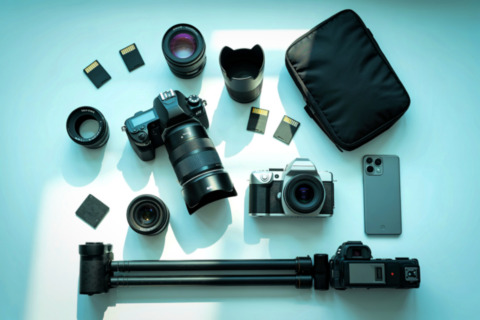
What travel electronics are worth carrying? A universal travel adapter (covers 150+ countries, costs $15-$30), a 10,000-20,000 mAh power bank that can charge your phone 2-4 times over, noise-canceling headphones for long-haul flights (life-changing on a 10-hour flight), and your phone. A laptop is worth it if you need to work remotely or do a trip longer than 3 weeks; otherwise it's dead weight. A portable Wi-Fi hotspot is worth considering for multi-country trips where SIM swapping is inconvenient, but a regional eSIM usually achieves the same thing at a lower cost. A for cameras, phone cameras in 2025 are excellent and add no weight. A standalone camera is worth bringing only if you have a specific photography goal and the skills to match.
Health and Hygiene
A basic travel health kit should include any prescription medications in original labeled bottles, a pain reliever (ibuprofen or acetaminophen), antidiarrheal medication, a small supply of bandages and antiseptic wipes, and sunscreen for the first few days until you can buy local. Toiletries are widely available in almost every destination and are generally cheaper locally than what you'd buy at a U.S. airport or specialty travel store for example. Don't spend $30 on a travel-size "kit" when a local pharmacy in your destination sells the same items for less. The exception is any prescription or specialty medication, bring enough to last the trip plus a few days' buffer just in case, and always take it in your carry-on, not in checked luggage. https://wwwnc.cdc.gov/travel/page/pack-smart
Gear That Sounds Useful But Isn't and What to Skip
Money belts get marketed heavily but create an awkward fishing-around-under-your-shirt experience every time you need cash. A front-pocket wallet or a slim card sleeve in a front pocket achieves the same security without the hassle. Travel pillows sold specifically as "travel gear" are the same thing as what's already in your linen closet, compressed into a carrying case. Portable water purifiers are worth it for specific destinations (remote trekking, countries with unreliable/dirty water) but unnecessary for standard city travel where bottled water is easily accessible. The travel packing list principle to live by is that if you can't think of a specific, concrete situation where you'd use it on your planned trip, leave it at home. Airport gear shops exist for the things you actually forgot.
Conclusion
The travel gear essentials list is short, and most of it is stuff you already own or can buy for far less than you think. Check your current bag against carry-on size restrictions for your planned airline, Spirit and Frontier have stricter limits than major carriers https://www.tsa.gov/travel/security-screening/whatcanibring/all. Lay out what you'd pack for your trip and apply the ‘half-rule’: cut the "just in case" items first. If you do need a new bag, invest in one quality 40-50L clamshell pack that will outlast dozens of trips, it's the one gear purchase where quality pays off consistently. Everything else on the travel gear essentials list should be functional, affordable, and either already in your home or available at your destination for less than you'd spend at an REI.