
Budget Travel Tips That Actually Work in 2026
Introduction
The thing that nobody tells you about budget travel tips is that most of them aren't about cutting everything. They're about knowing which costs are fixed and which ones are optional. The traveler who spends $18 on an airport taxi to a hostel, eats a $22 airport meal, and then finds a free walking tour and cooks dinner from a market for $5 is doing something smarter than the one who budgets every dollar on paper but doesn't think about arrival day. This guide is for Foreign travelers who want to travel more often and spend less doing it. And not by sleeping in bus stations, but by understanding where the real costs are and making deliberate choices about them. Whether you're planning two weeks in Europe or three months in Southeast Asia, the framework here will help you build a realistic daily budget.
Transportation
Flights are the first and most obvious transportation cost, but same-country transport is where consistent overspending occurs. Overnight trains and buses cover ground while you sleep, cutting out a night of accommodation costs. In Southeast Asia, overnight sleeper buses connect major cities for $5-$15. In Europe, overnight trains offer couchette reservations for $30-$60 on routes that would otherwise require a hotel night. Rideshare apps (Grab in Southeast Asia, Bolt in Europe, Uber in Latin America) are almost always cheaper than tourist taxis and eliminate negotiation friction. Backpacking on a budget also means treating the airport arrival as a high cost zone. Pre-book your transfer from the airport before you land, since in terminal taxi services charge a significant premium over the same distance via rideshare.
Accommodation
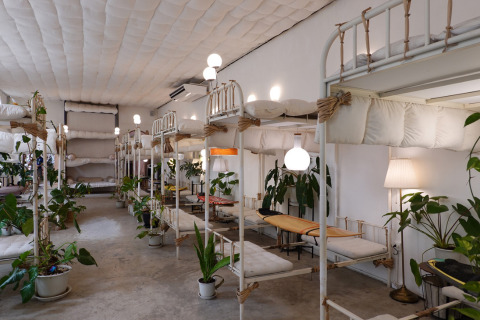
The accommodation decision is the second largest daily budget variable after flights. Hostel dorm beds run $10-$25 per night across Southeast Asia and Eastern Europe, $25-$40 in Western Europe. For solo travelers backpacking on a budget, the shared kitchen in a good hostel is almost as valuable as the cheap bed. One home cooked meal a day adds up to $400-$600 in savings over a month compared to eating out for every meal. For couples and pairs, splitting a hostel private room or a basic guesthouse room is often the best per-person value choice, landing between hostel dorm prices and budget hotel rates. Staying a minimum of 3-4 nights in one place cuts down on transit costs and often unlocks weekly rates at hostels and guesthouses.
Eating Well Without Paying Tourist Prices
Food is the most controllable daily expense, and managing your travel food budget doesn't mean eating badly. Street food and market food in most of the world is both cheaper and more culturally authentic than actual restaurants in tourist zones. In Thailand, a full street food meal costs $1-$3. In Mexico, tacos from a market stall run $0.50-$1.50 each. In Portugal, the prato do dia (daily lunch special) at a local cafe is a full meal for €8-€12. The expensive meals almost always happen in two places. These being directly adjacent to major tourist attractions, and anywhere with English menus prominently displayed outside. Walk one or two streets away from the main tourist drag and prices frequently drop by 30-50%. Cooking your own breakfast at your hostel kitchen once a day is the easiest single habit that saves $10-$20 daily without any sacrifice in experience.
Activities and Experiences
Free walking tours exist in virtually every major tourist city in the world, including Amsterdam, Prague, Buenos Aires, Bangkok, and dozens more. They're tip-based, usually 2-3 hours, and led by locals who know their cities well. They're often better than paid guided tours because guides are motivated by tips to actually be engaging. Most major museums in Europe have at least one free day per week, and places like the British Museum are always free, the Louvre is free on the first Sunday of each month for visitors under 26. National parks, beaches, markets, and neighborhoods cost nothing to walk through. A budget traveler who structures their days around free and low-cost experiences isn't missing out. The paid attractions that are genuinely worth full price are exceptions, not the baseline.
Building a Daily Budget That's Actually Achievable
The cheapest countries to travel for Americans in 2025 consistently include Vietnam, Guatemala, Georgia (country), Albania, and Indonesia - all of which can be done comfortably on $35-$50/day with a little planning. The daily budget should be planned in full before departure, not approximated. Add together accommodation, food, local transport, and one paid activity per day. Then add 15% for the unexpected and unprecedented.
Conclusion
Budget travel doesn't define your trip, and it's not something to be ashamed of, it is a planning skill, not a personality type. These budget travel tips work because they address the real cost drivers: arrival day, food zone, accommodation type and transport choice. Start your planning by looking up the average daily budget for your target destination on a travel forum then compare it honestly against what you planned to spend. Then, identify the most expensive day of your planned trip, which is usually arrival or departure day, and figure out one specific way to cut it. Finally, build your actual daily budget using the table above as a reference point, add ~15% buffer for variable costs, and check whether your total trip cost falls within a savings timeline you can realistically meet. The traveler who plans realistically travels more often than the one who waits for the perfect moment.
Travel Advisory by country: https://travel.state.gov/content/travel/en/international-travel/International-Travel-Country-Information-Pages.html
Cost of living by country: https://www.numbeo.com/cost-of-living/