Top Things to See and Do in Miami
Miami is so much more than just another city. It's beaches, Cuban culture, world-class art, and some of the best food in America. Here's how to experience all of it in the right order.
Picture two visitors arriving in Miami on the same day. The first heads straight to Ocean Drive, spends three days on South Beach, eats at the hotel restaurant, and leaves thinking Miami is loud, expensive, and overrated. The second takes a morning walk through the Art Deco Historic District, has a cortadito at a Calle Ocho window counter in Little Havana, spends an afternoon at Wynwood Walls, and eats dinner at a Venezuelan spot in Doral that has a four-year waitlist. They leave planning their return. The things to do in Miami that define the city for the second type of visitor aren't hard to find, they just require knowing the city is layered, and that each layer has a distinct geography and culture. This guide untangles that for first-time visitors and gives repeat visitors a reason to look at these different layers.
Beaches: Where to Go Beyond the Famous Strip
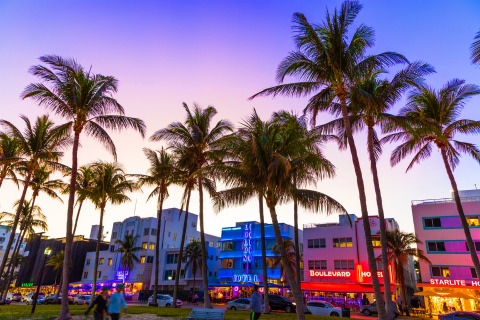
A Miami beach guide that starts and ends at South Beach is leaving out the best swimming in the region. South Beach, the strip of Ocean Drive and the adjacent sand between 5th and 15th Streets, is iconic - with art deco lifeguard towers, the widest stretch of white sand on the Atlantic coast, and people-watching that requires no commentary. It's worth a morning. But the most enjoyable beach days in Miami are at Crandon Park on Key Biscayne (25 minutes south of South Beach by car or bus) a two-mile crescent of shallow turquoise water, picnic facilities, and a fraction of South Beach's crowd for a $5 parking fee. Virginia Key Beach, recently restored to public use after its history as a segregated beach for Black Miamians, is equally as beautiful and uncrowded. For the South Beach experience specifically, arrive before 10am on any day and leave by noon. The afternoon hours are when both the crowd and the heat hit their peak.
Neighborhoods: Miami's Most Rewarding Layers
The Miami neighborhoods guide that gives visitors the most complete picture starts in three places that most itineraries give too little time. Wynwood, two miles north of South Beach, was a warehouse district that became the epicenter of Miami's contemporary art scene after the Wynwood Walls project commissioned large-scale murals from international artists starting in 2009. The walls are free to walk through and contain work by some of the most significant street artists working today. The surrounding blocks have galleries, breweries, and restaurants that have expanded the arts district into a full neighborhood. Little Havana's Calle Ocho (Southwest 8th Street) is the cultural spine of Miami's Cuban community. Featuring domino players at the aptly named Domino Park, Versailles Restaurant (the most famous Cuban restaurant in the US, open since 1971), cigar rollers, and street life that makes the rest of Miami feel generic by comparison. Design District, north of Wynwood, contains luxury retail alongside the Institute of Contemporary Art Miami (free admission) and some of the most interesting architecture in the city.
Food: The Miami Food Scene in Full
The Miami food scene in 2025 reflects the city's layered demographics in a way that makes it one of the strongest restaurant cities in the United States, and Cuban food is the foundation. A medianoche sandwich (ham, roasted pork, Swiss, mustard, pickles on egg bread, pressed) at any Cuban counter is $6-$10. Versailles on Calle Ocho is the institution; La Carreta is the neighborhood favorite. The Haitian, Venezuelan, Colombian, and Peruvian communities have each produced restaurant concentrations within the metro that reward specific neighborhood searches. In the Miami neighborhoods guide for food, Brickell (the financial district just south of downtown) has become the city's most concentrated fine-dining corridor - Zuma for Japanese robata, Stubborn Seed for contemporary American, and La Mar by Gastón Acurio for upscale Peruvian. The Miami Beach food market at the Lincoln Road Farmers Market (Sunday mornings) covers local produce, Cuban pastries, and juice options within a pedestrian mall that's free to walk.
Nightlife: How Miami After Dark Actually Works
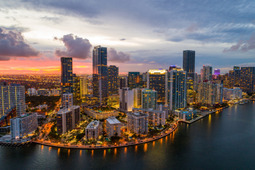
A Miami nightlife guide for first-timers has one essential framing note - Miami goes late. Restaurants don't fill until 9pm, clubs don't open until midnight, and the night doesn't peak until 2-3am. Arriving at a South Beach club at 10:30pm puts you in an empty room. The nightlife geography splits into three zones: South Beach's Ocean Drive and Washington Avenue corridor for the traditional club experience (LIV at the Fontainebleau, E11EVEN downtown); Wynwood for the bar and emerging music venue scene; and Brickell for the rooftop bar culture that's grown with the condo development. The rooftop at Area 31 in Brickell and the EAST Hotel's Sugar bar offer beautiful bay views with a late-night crowd that skews more local than South Beach. Admission at major South Beach clubs runs $20-$50; drinks start at $15-$20. Nights at a Wynwood bar cost half that and often have better music.
Practical Miami Logistics
Miami is a driving city. Public transit exists (the Metromover is free in downtown) but the distances between neighborhoods - South Beach to Wynwood to Little Havana to Brickell - are not walkable. Uber and Lyft are the practical options; as South Beach parking garages fill quickly on weekends. In terms of temperature, Miami's peak season is December-April when temperatures run 72-82°F and the humidity is manageable. Summer (June-September) brings 88-94°F with daily afternoon thunderstorms and significantly lower hotel prices - which makes summer a legitimate value option if you plan outdoor activities for mornings. Four days covers the beach, Wynwood, Little Havana, and one good food corridor without rushing.
Conclusion
The things to do in Miami that make the strongest impression are the ones that show you a city with genuine cultural depth beneath the nightlife exterior. Start by looking up Wynwood Walls hours (they're free and don't require advance booking) and check the Crandon Park beach access details for Key Biscayne. Try to find one Cuban restaurant in Little Havana for lunch or a cortadito stop (Versailles is the famous one, but honestly any counter on Calle Ocho will do), and make sure to map your days across Miami's neighborhoods rather than staying anchored to South Beach. Spend just one morning at the beach, one afternoon in Wynwood, one evening in Brickell, and have lunch in Little Havana. That structure produces a version of Miami most visitors will never see.
Useful Links:
- Wynwood Walls - About and Hours - https://www.thewynwoodwalls.com
- Miami-Dade County Parks - Crandon Park - https://www.miamidade.gov/global/parks/crandon-park.page
- Greater Miami Tourism - Official Guide - https://www.miamiandbeaches.com
Related posts